
America’s Uranium Enrichment Company

Centrus is a trusted American supplier of nuclear fuel and services, leading the effort to restore the country’s ability to enrich uranium for clean energy, energy security, and national security.

Our Story

The United States once dominated uranium enrichment, but today, more than 99% of global enrichment capacity belongs to foreign, state-owned enterprises. With proven technology and a multi-billion-dollar expansion underway, Centrus is restoring America’s ability to enrich uranium at scale.

Centrus began production of High-Assay, Low-Enriched Uranium (HALEU) in 2023. The technology demonstration succeeded – and now we’re expanding to commercial scale.
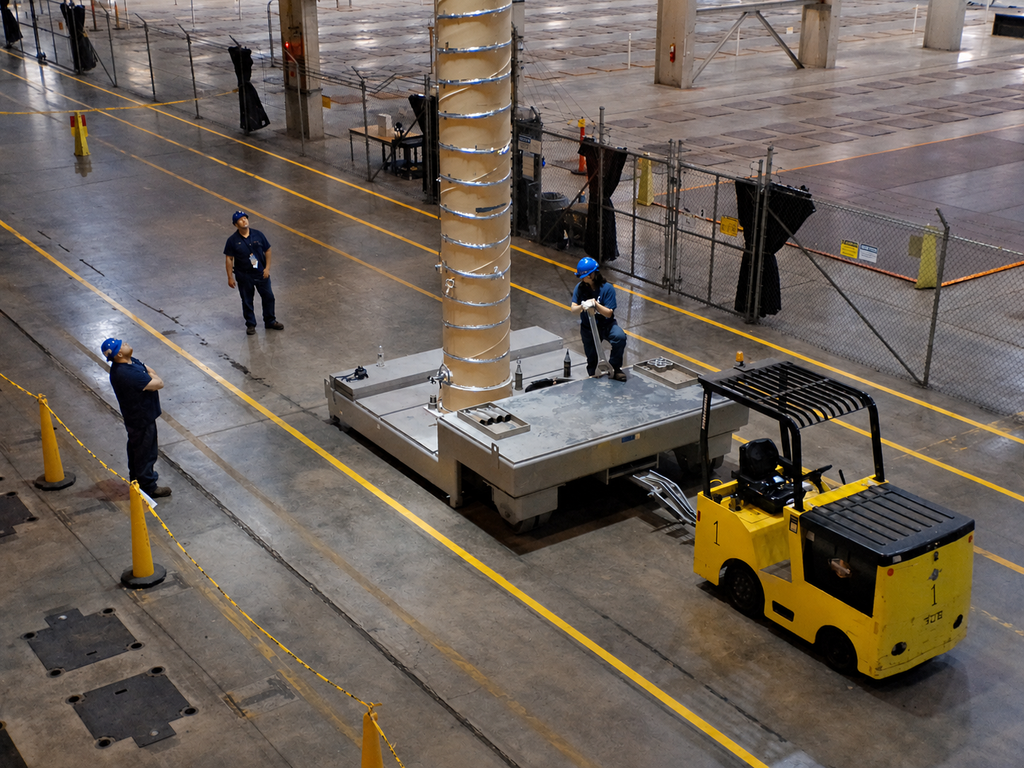
Rebuilding America’s Nuclear Future

By expanding domestic enrichment and advancing next-generation fuel production, we’re strengthening America’s clean energy future and national security.

It Matters to the Country

To power our existing reactors, and lead the world in deploying next generation reactors, the nation needs a reliable, affordable, domestic source of enriched uranium. A U.S.-technology enrichment capability is also needed for critical national security missions.

A Heritage that Shaped the Atomic Age

Centrus traces its roots to the Manhattan Project and the U.S. government’s uranium enrichment enterprise that followed. Enrichment plants built in the 1940s and 1950s enabled the United States to dominate the global nuclear fuel market for decades.

Gradually, however, the United States forfeited its leadership to foreign, state-owned enterprises that now control more than 99% of the world’s enrichment capacity. Learn more about the rise and fall of American uranium enrichment, and how Centrus is leading the effort to rebuild this critical capability for the nation.
1943

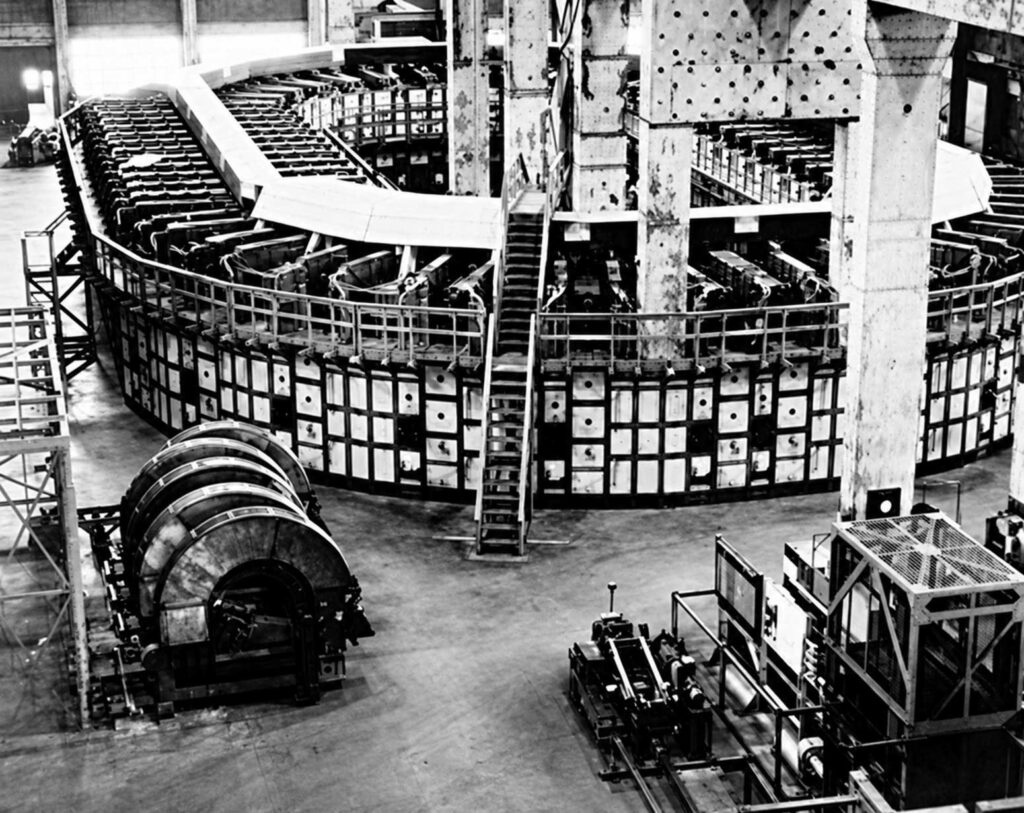
Dawn of the Atomic Age

During the Manhattan Project, scientists and engineers in Oak Ridge, Tennessee, design and build the world’s first large-scale uranium enrichment facilities.

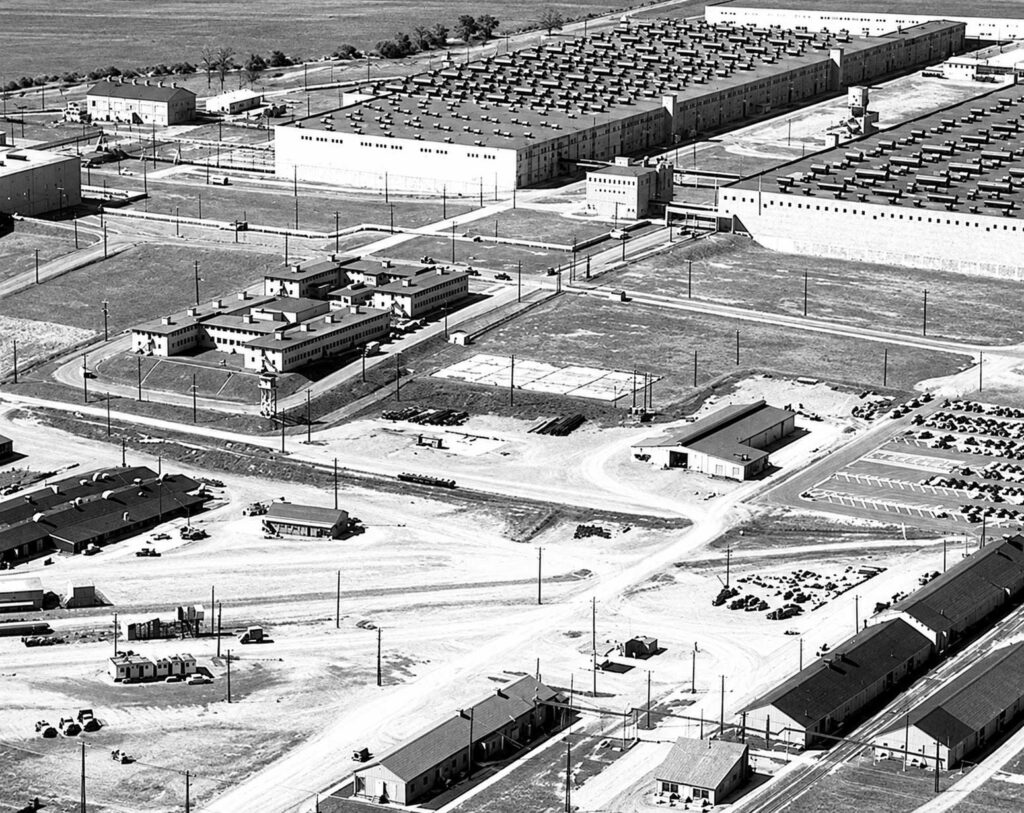
1946

Post WWII

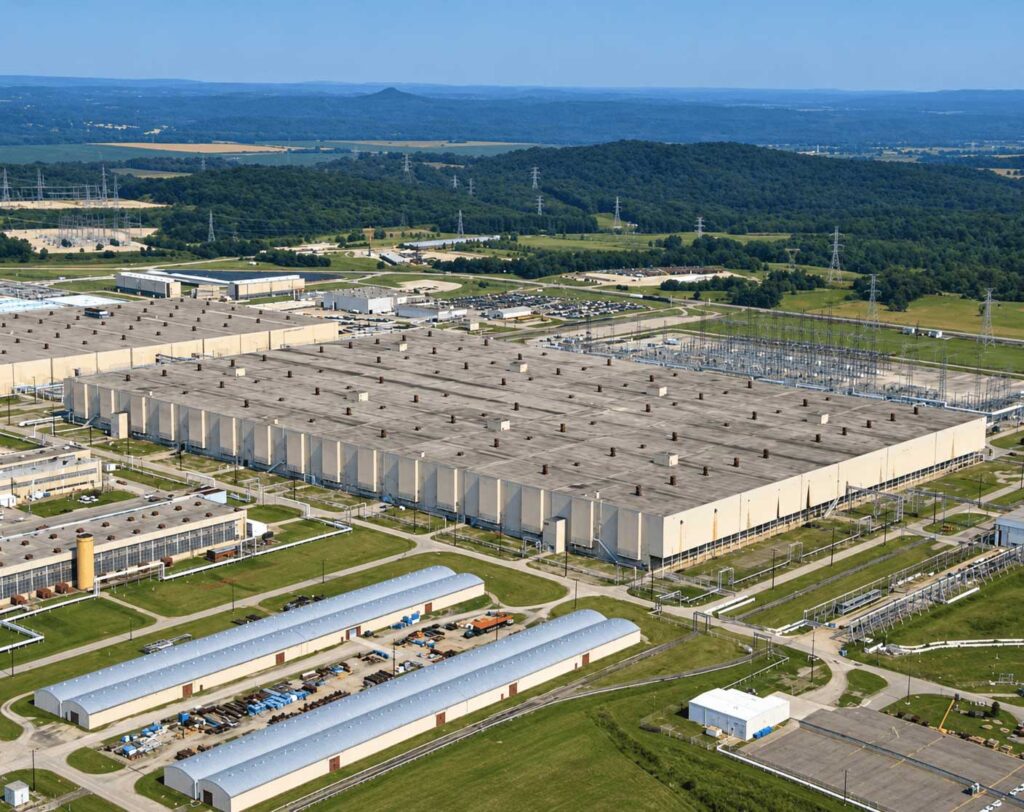
In the decade after World War II, the country greatly expands its enrichment capacity to meet Cold War defense needs. The U.S. Atomic Energy Commission constructs three uranium enrichment plants in Tennessee, Kentucky and Ohio. These plants utilize gaseous diffusion technology – an effective but highly energy-intensive method for enriching uranium.

1953

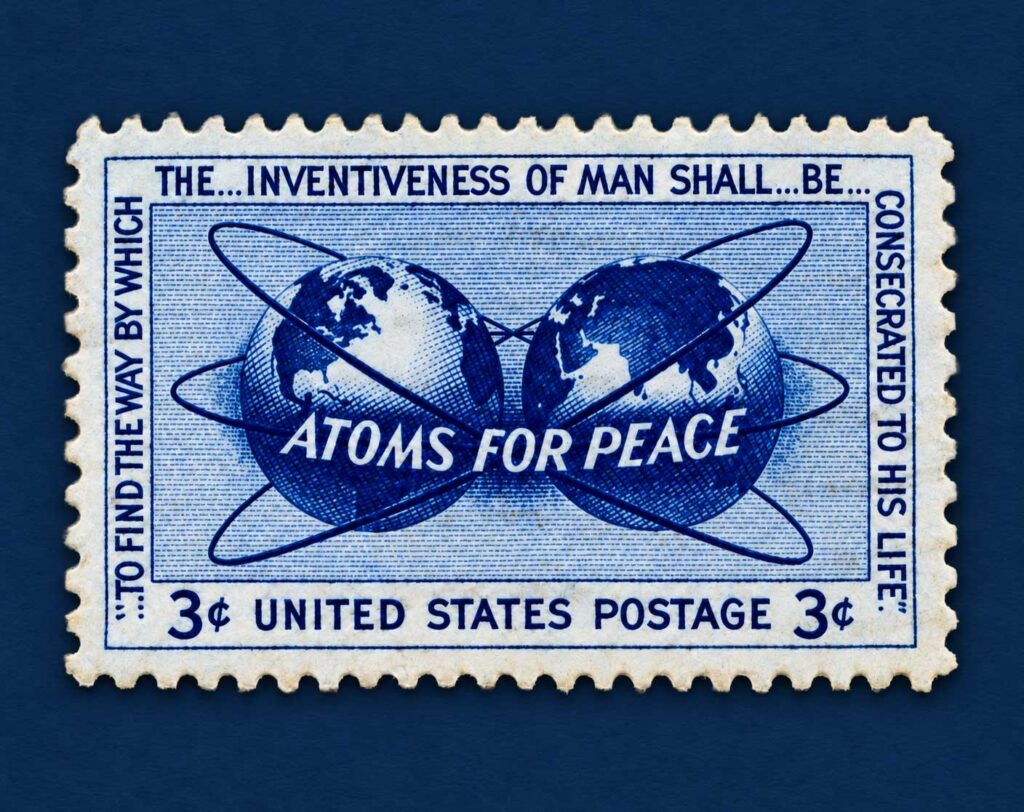
Atoms for Peace

President Eisenhower launches a program to guide the peaceful development of civilian nuclear energy around the world. As a centerpiece of this effort, Eisenhower subsequently pledged $1 billion worth of enriched uranium to utilities in the United States and around the world — but sales were conditioned upon strict adherence to U.S. nonproliferation rules. In the decades since, U.S. influence on nonproliferation has always been directly tied to our ability to supply nuclear fuel to the global market.

1956

The Era of American Enrichment Leadership

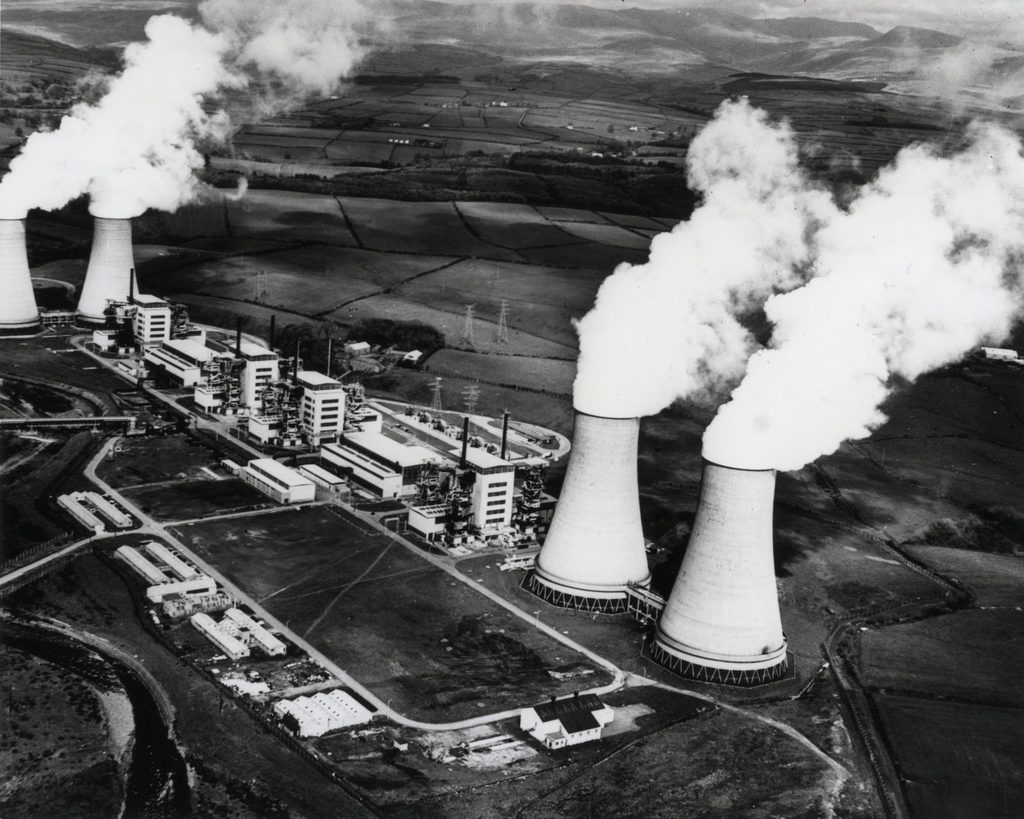
The United States dominates the global uranium enrichment market from the mid 1950s through the 1980s, maintaining a near monopoly on supplying nuclear fuel to countries outside of what was then called the Soviet bloc. The U.S. government’s three Gaseous Diffusion Plants produce the enriched uranium that enables deployment of civilian nuclear energy around the world.

1977

Decline of American Leadership Begins

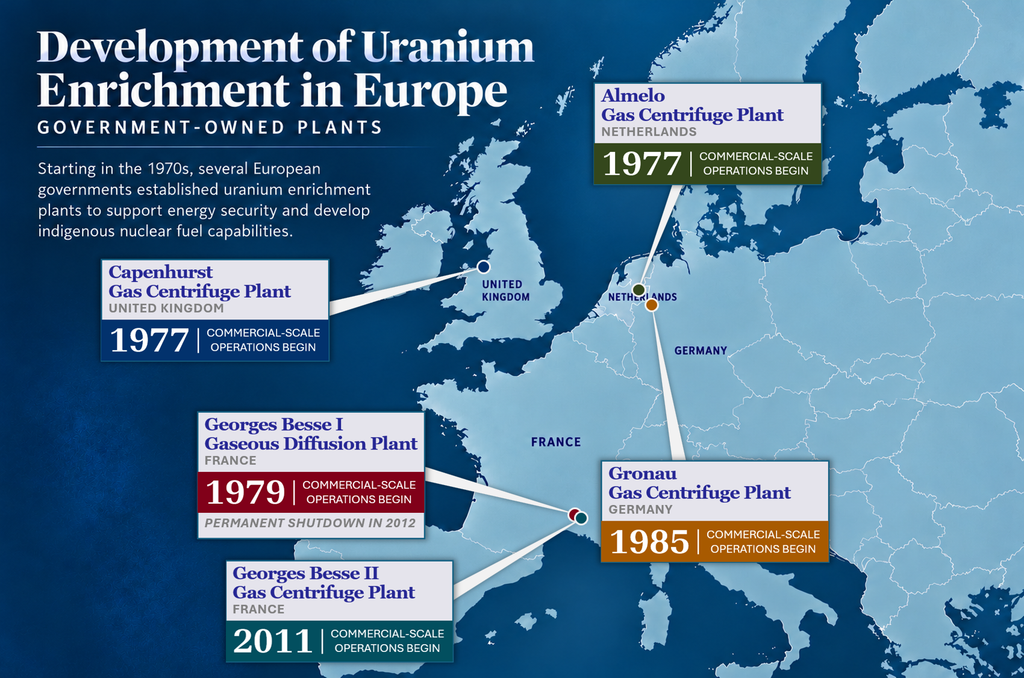
European governments spend aggressively to develop uranium enrichment technologies, fund construction of enrichment plants and ultimately establish state-owned enterprises to manage them. The U.S. begins construction of a centrifuge enrichment plant in 1979, but later abandons the project in the 1980s. U.S. leadership is gradually eroding.

1985

Shutting Down

The U.S. government cancels construction of a centrifuge enrichment plant midway through the project. The same year, U.S. shuts down one of its three increasingly outdated Gaseous Diffusion Plants. European, Russian and Chinese enrichment capacity is expanding while U.S. capacity is being torn down.

1992

Privatization

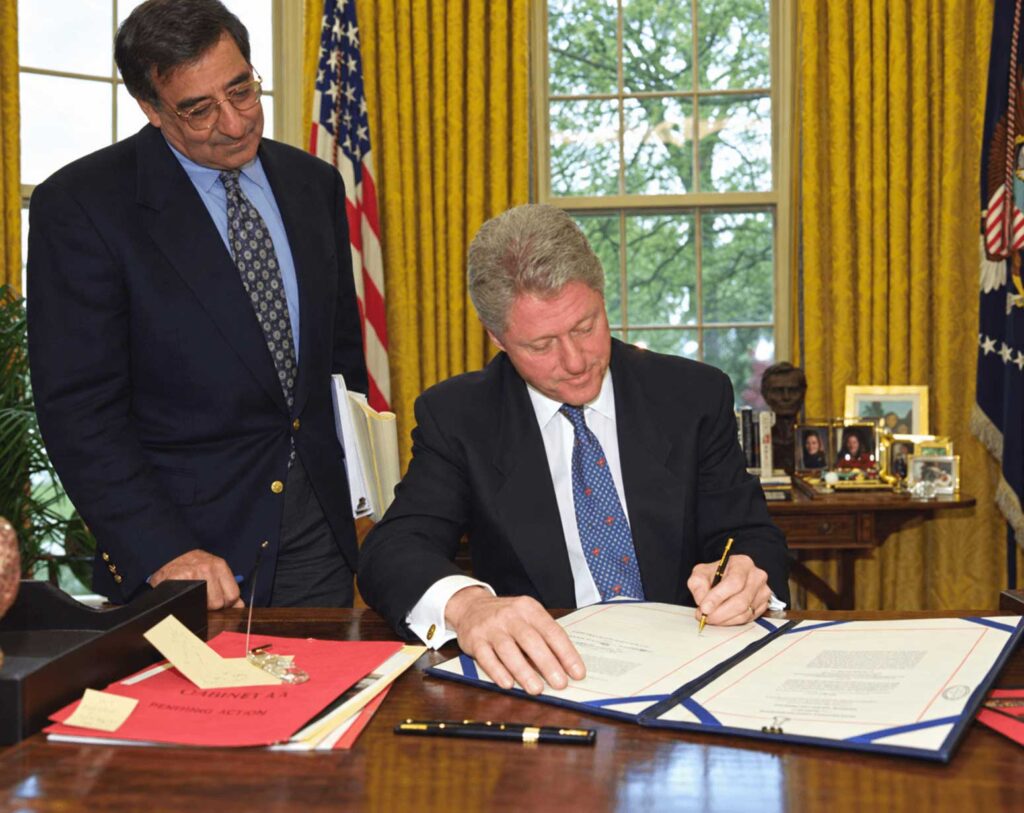
Bipartisan legislation passed in 1992 and 1996 privatizes the U.S. uranium enrichment enterprise, creating the United States Enrichment Corporation, the predecessor to Centrus. When the privatization is completed in 1998, proceeds from the sale of the company generate $3 billion for the U.S. Treasury.

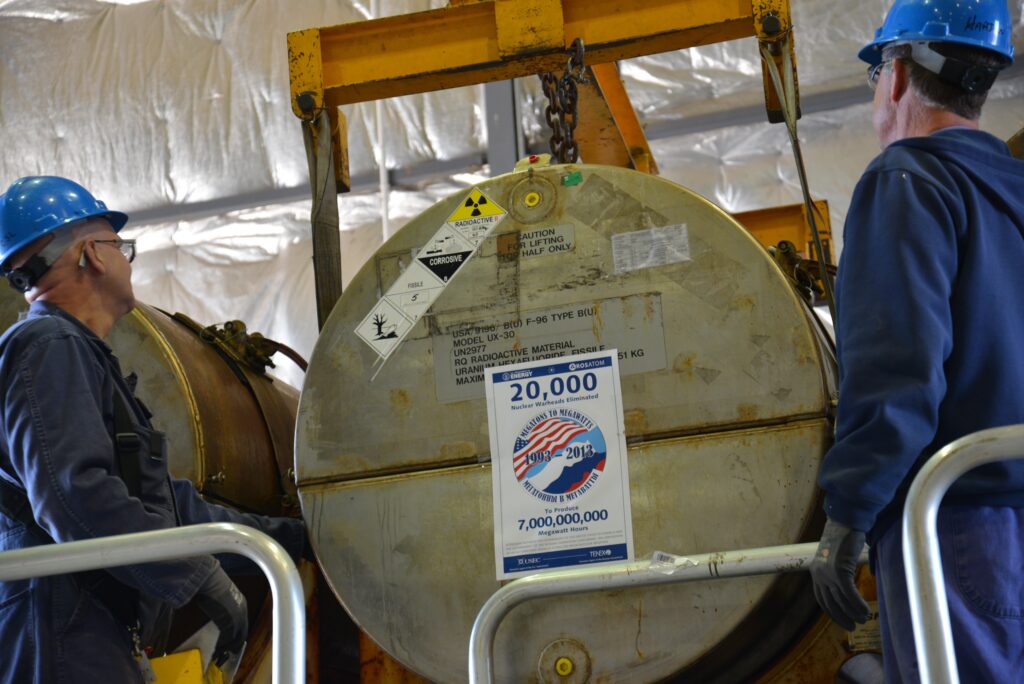
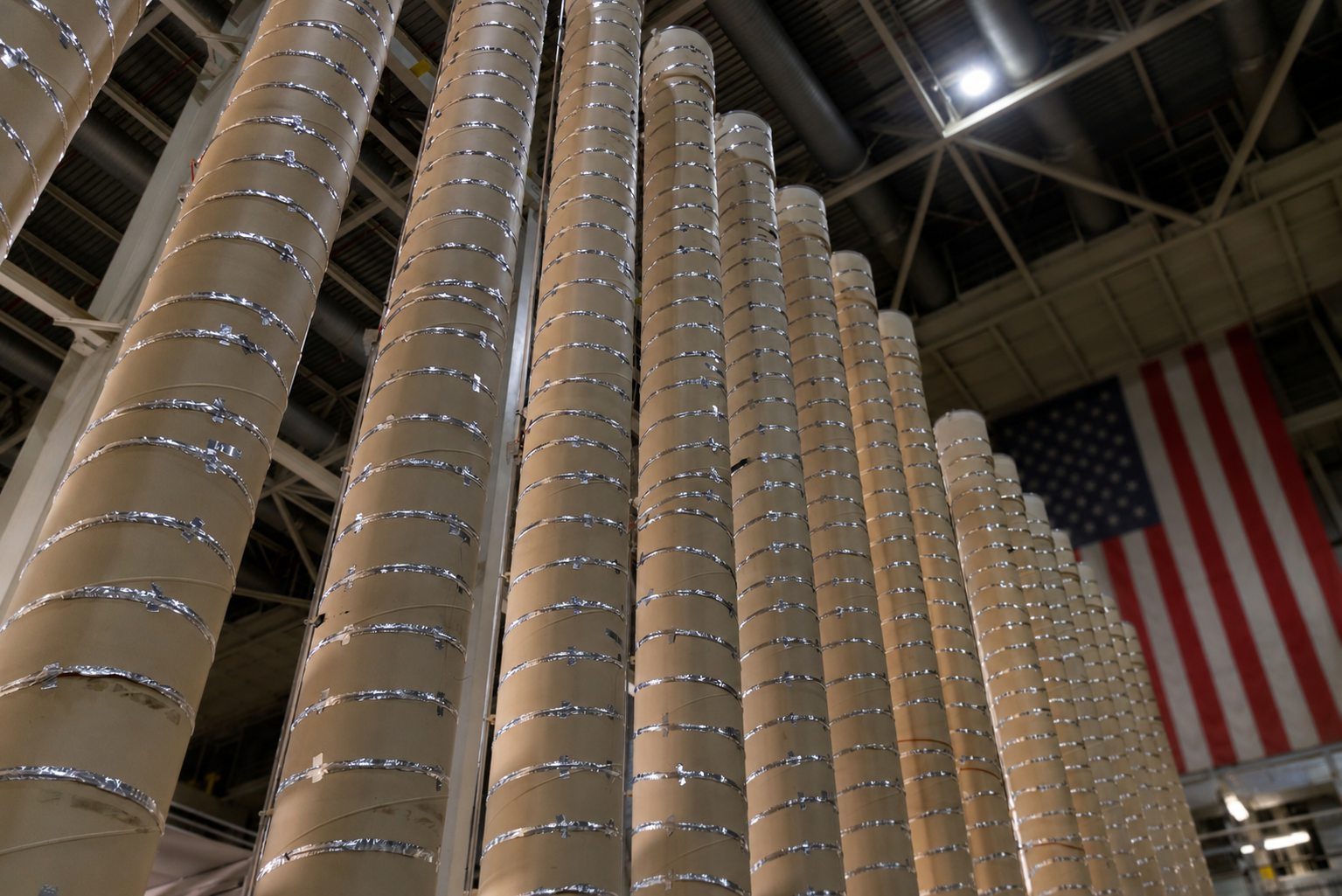
One of the last cylinders of low enriched uranium delivered under the Megatons to Megawatts program
1993

From Warheads to Watts

The largest disarmament effort in world history begins. From 1993 to 2013, the “Megatons to Megawatts” program successfully eliminates more than 20,000 warheads worth of former Soviet nuclear weapons material by converting it into fuel for America’s civilian nuclear reactors.  This provides enough fuel to meet 10% of U.S. electricity needs for two decades.  Our company serves as the U.S. government’s executive agent for the historic effort.

2001

Portsmouth Shuts Down

The Portsmouth Gaseous Diffusion Plant in Ohio is shuttered, leaving the United States with just one remaining uranium enrichment plant. That plant, located in Paducah, will supply just 15 percent of America’s needs through 2013. The United States — once the world’s largest nuclear fuel exporter — is now the world’s largest importer.

2013

U.S. Exits Uranium Enrichment

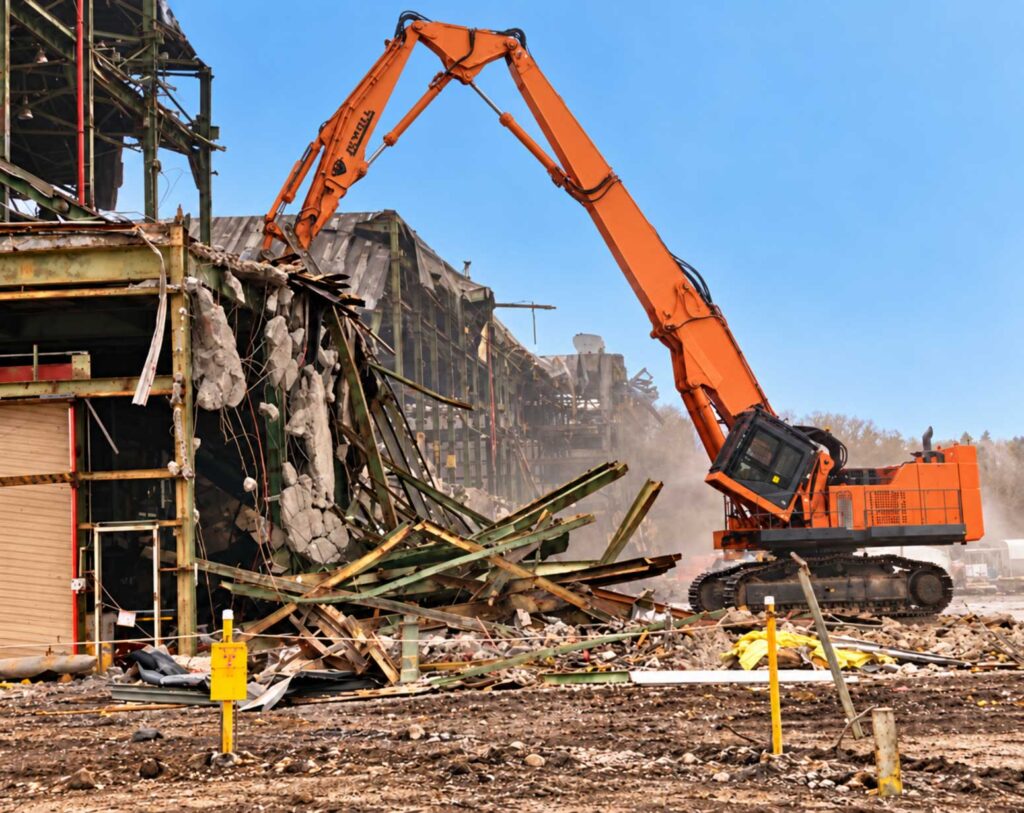
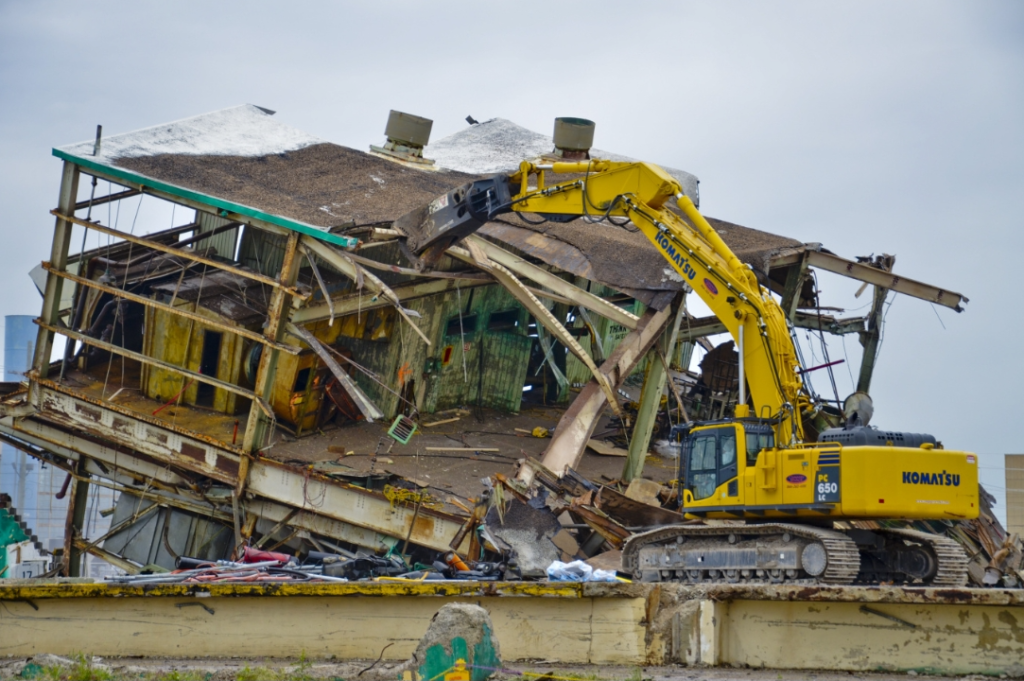
The aging Paducah Gaseous Diffusion Plant is shuttered for economic reasons, leaving the U.S. nuclear industry entirely dependent upon foreign, state-owned enterprises that control 100 percent of the world’s commercial enrichment capacity. The lack of a U.S.-owned, U.S.-technology enrichment capability also means that the country can no longer produce enriched uranium for national security missions.

2014

Centrus Emerges

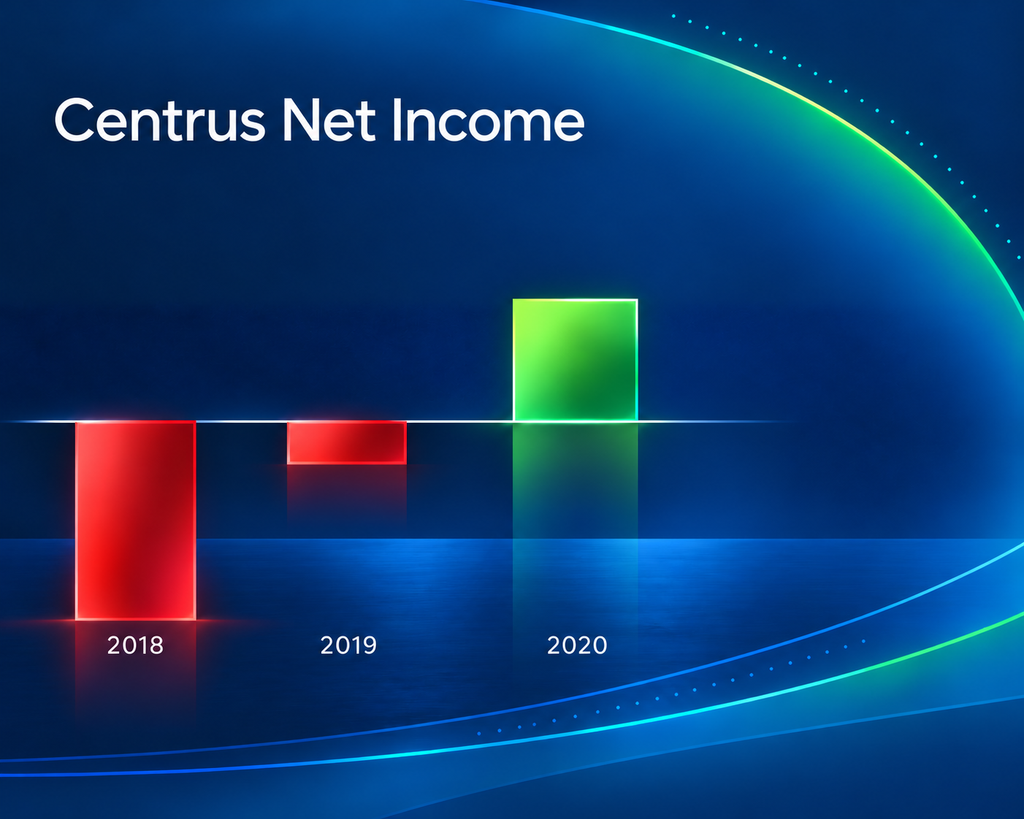
After a downturn in global enrichment prices driven by the ongoing market effects of the 2011 Fukushima disaster, the company emerges from a restructuring in October 2014 as Centrus Energy Corp. The newly reorganized company retains strong technical capabilities and long-term sales and supply contracts.

2020

A Return to Profitability

After several years of losses post-Fukushima, Centrus returns to profitability as it secures affordable sources of LEU supply, reduces overhead costs, and strengthens its balance sheet.

2023

Milestone Moment: Centrus launches HALEU enrichment

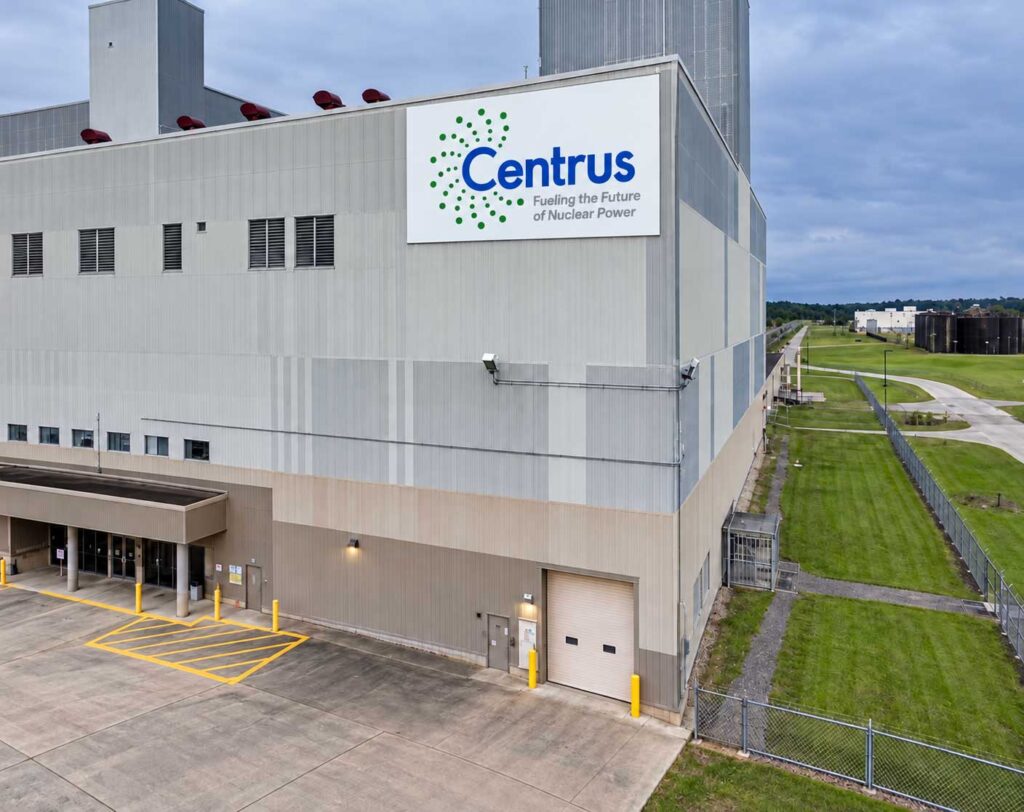
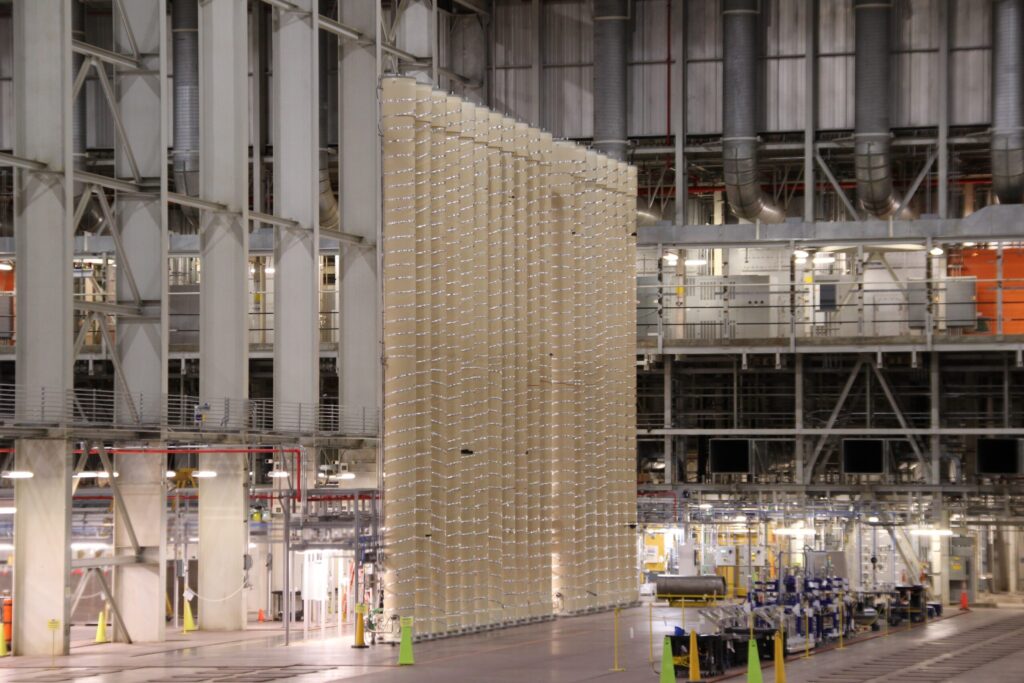
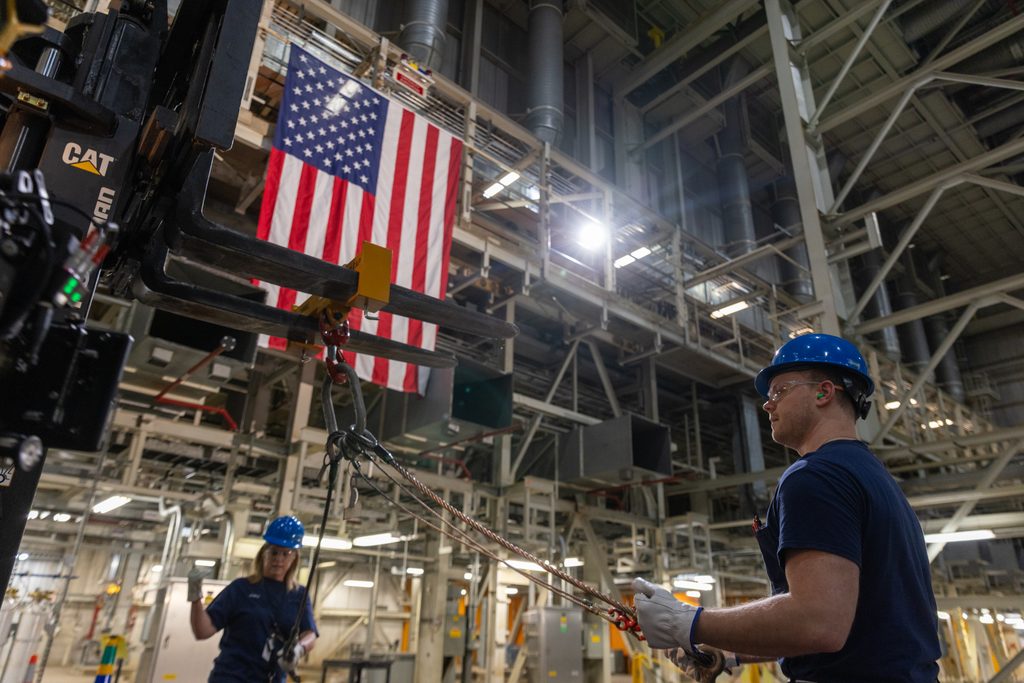
Under contract with the U.S. Department of Energy, Centrus begins first-of-a-kind production of High-Assay, Low-Enriched Uranium (HALEU). Centrus’ American Centrifuge Plant in Piketon, Ohio, becomes the first U.S.-owned, U.S.-technology enrichment plant to start production in nearly 70 years.

2025

Expansion Begins

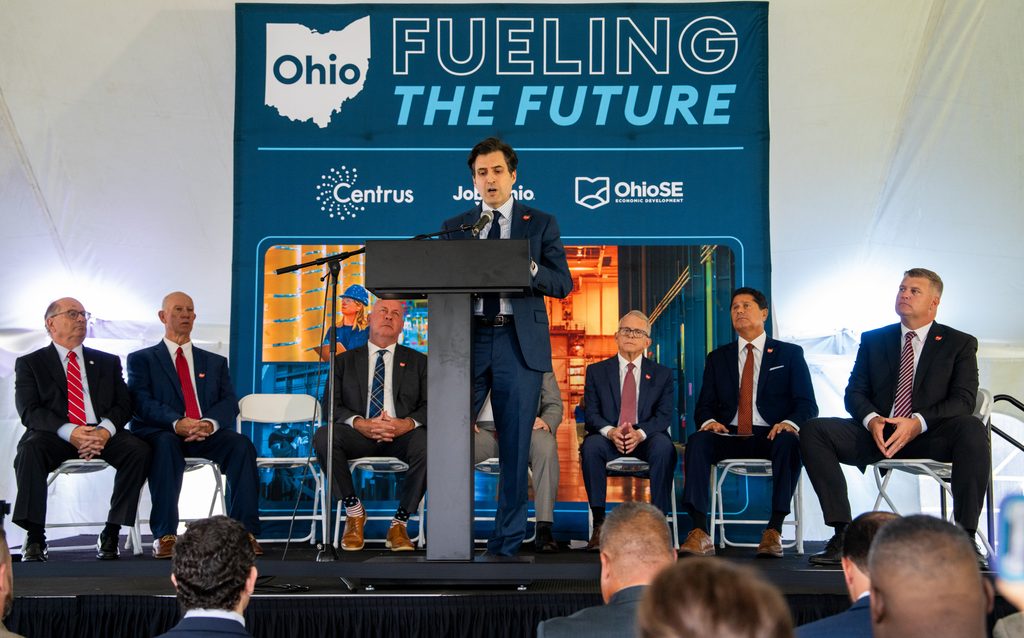
Centrus launches a multi-billion-dollar expansion of its uranium enrichment capacity in Ohio, which will include large-scale production of LEU as well as HALEU. Centrus is manufacturing the centrifuges for this expansion at its facility in Oak Ridge, Tennessee, drawing upon a nationwide supply chain of American manufacturers.

2026

Looking to the Future

Centrus is rapidly expanding our workforce, our capabilities, and our uranium enrichment capacity. Billions of dollars in customer contracts for LEU and HALEU are in place. Centrifuge manufacturing in Oak Ridge is accelerating. Those machines are being shipped to Ohio for final assembly and installation. The first new capacity will come online by 2029, as we restore America’s ability to enrich uranium at scale. Onward!

Where We Work

Bethesda, Maryland

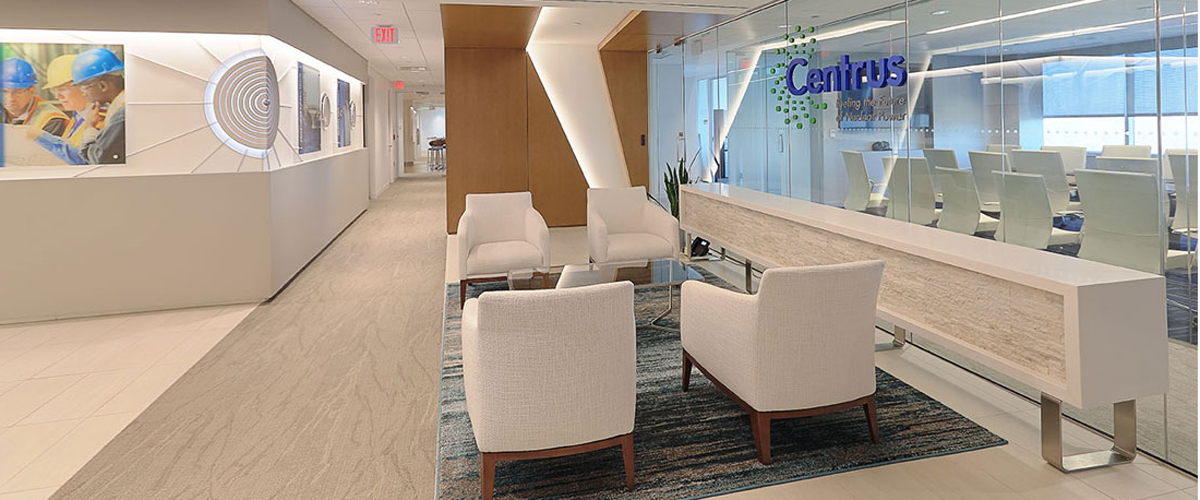
Corporate headquarters
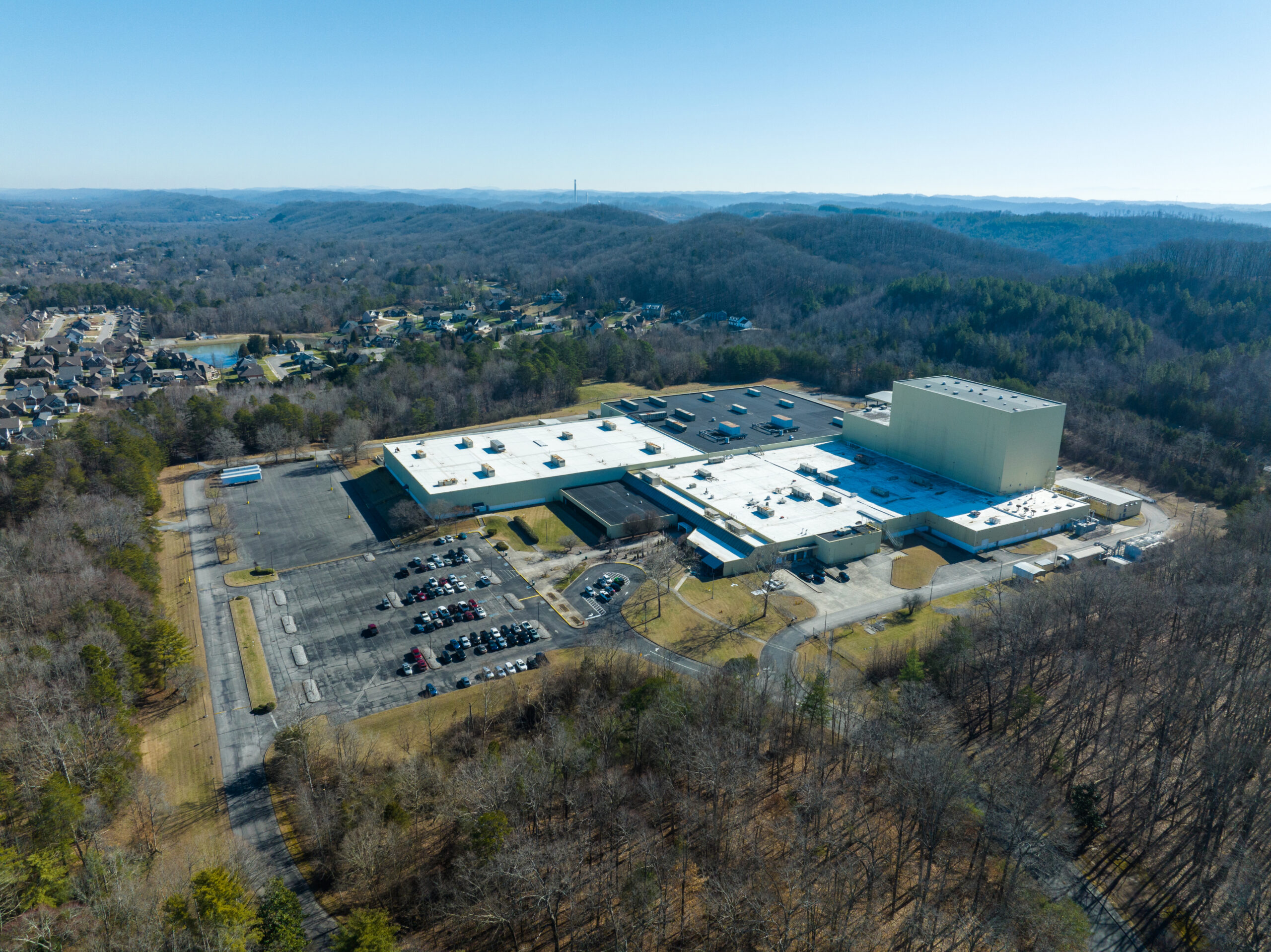
Oak Ridge, Tennessee

Technology and Manufacturing Center
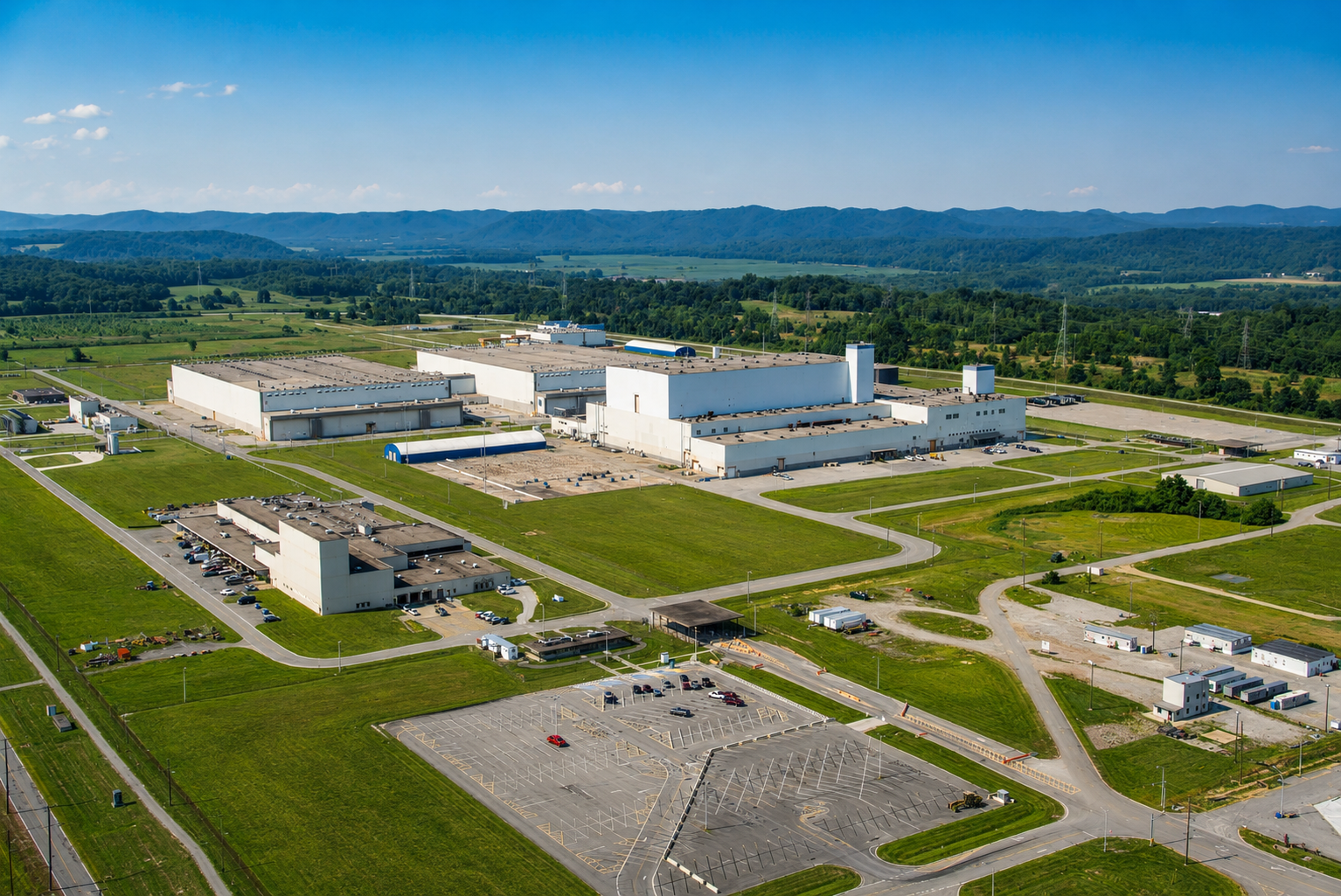
Piketon, Ohio

The American Centrifuge Plant

Leadership

Meet the executives and board leading Centrus. The leadership team delivers lasting value with a commitment to integrity, safety, and security.
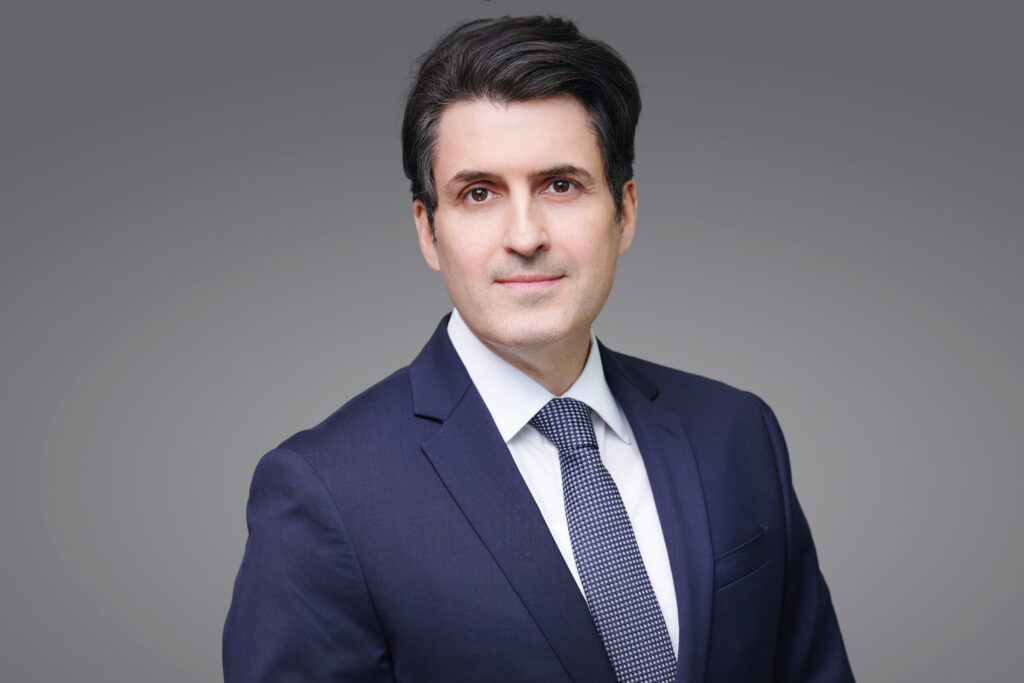
Amir Vexler

President and Chief Executive Officer
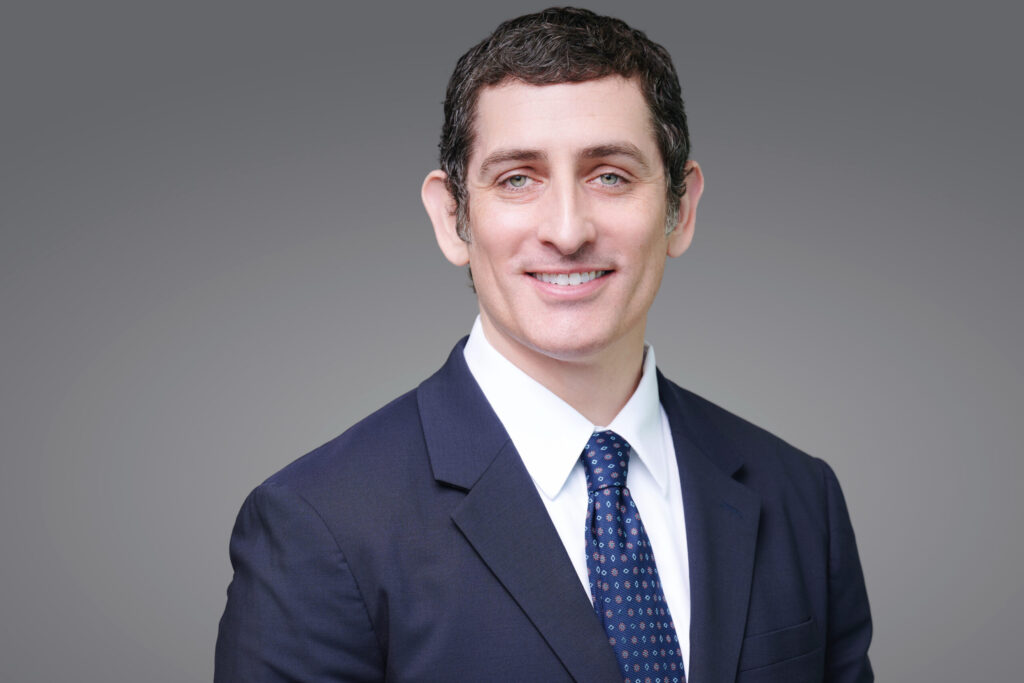
Patrick Brown

Senior Vice President, Field Operations, and President, American Centrifuge Operating, LLC
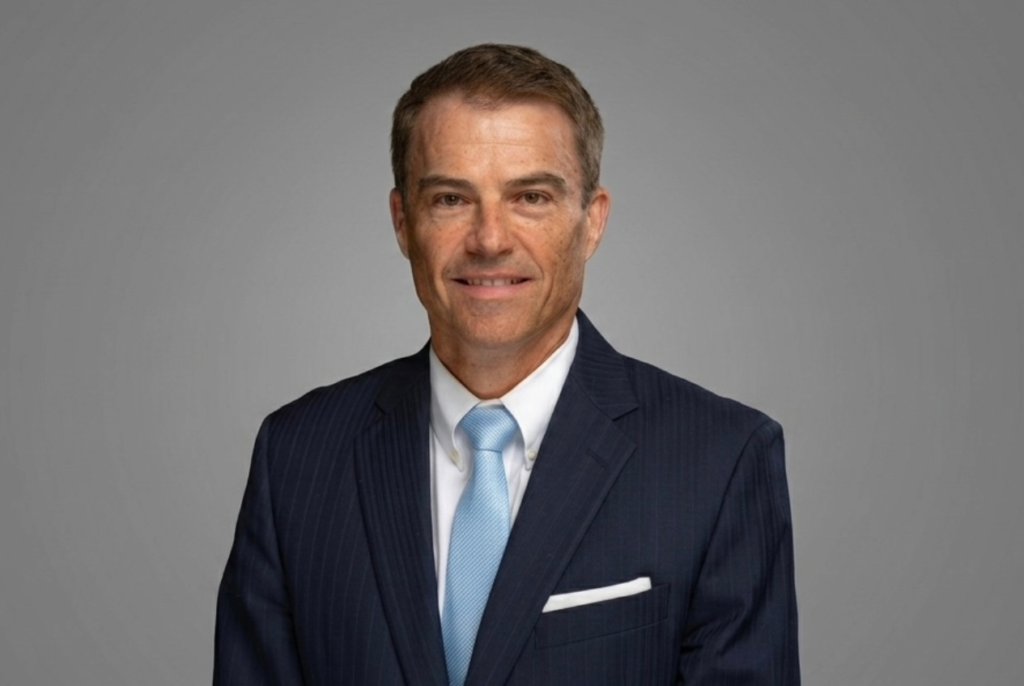
John M.A. Donelson

Senior Vice President & Chief Marketing Officer

Richard Emery

Senior Vice President, General Counsel, Chief Compliance Officer and Corporate Secretary

Neal Nagarajan

Senior Vice President, Head of Investor Relations
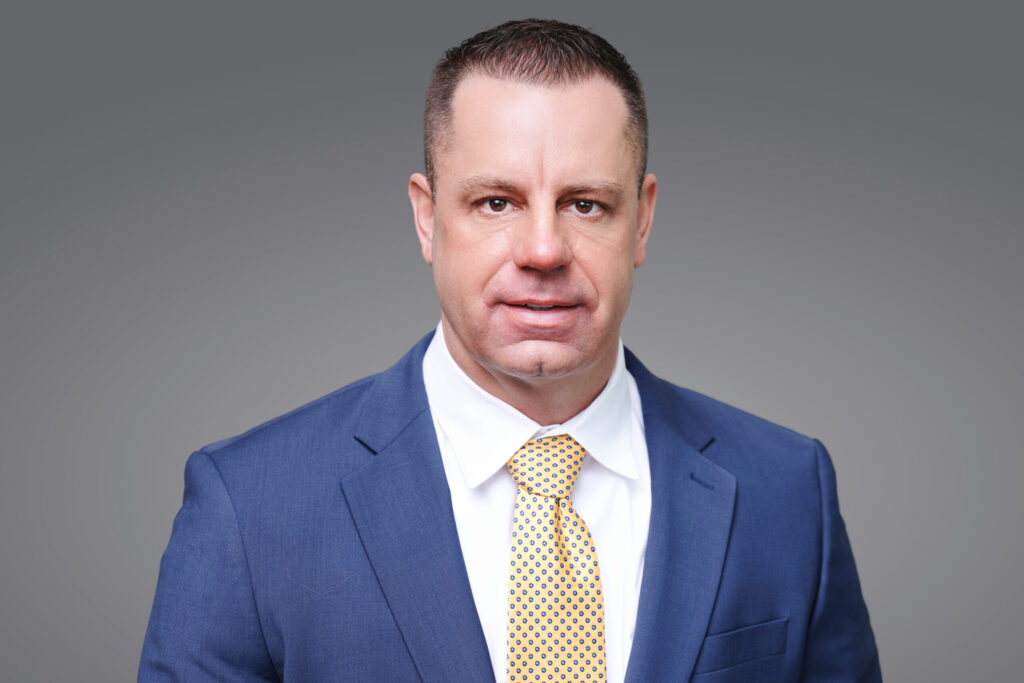
Todd Tinelli

Senior Vice President, Chief Financial Officer and Treasurer
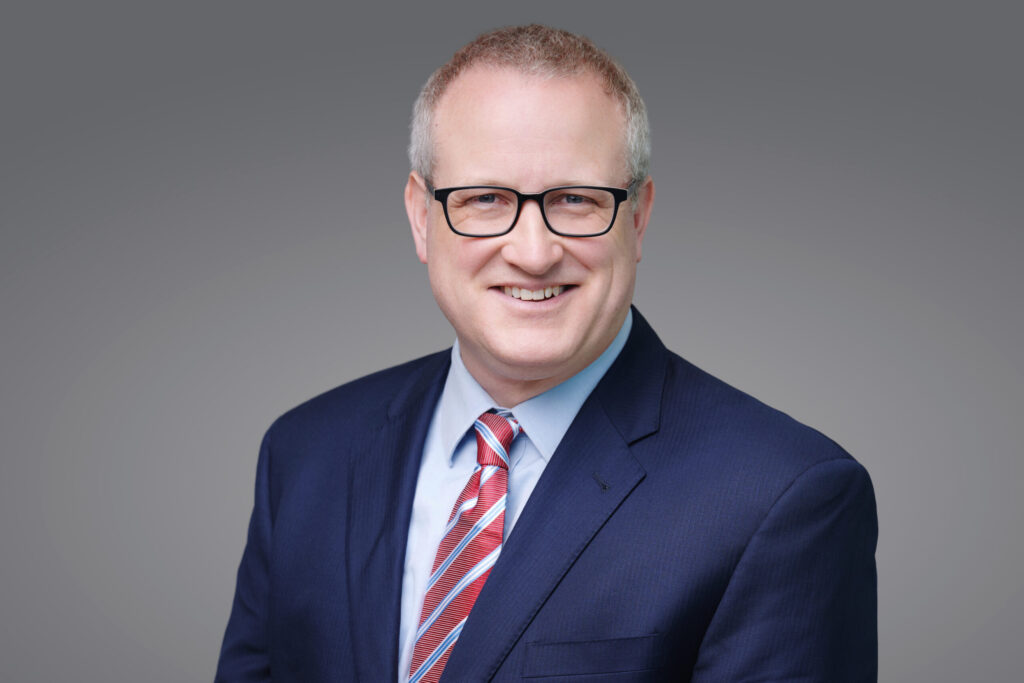
Dan Leistikow

Vice President, Corporate Communications
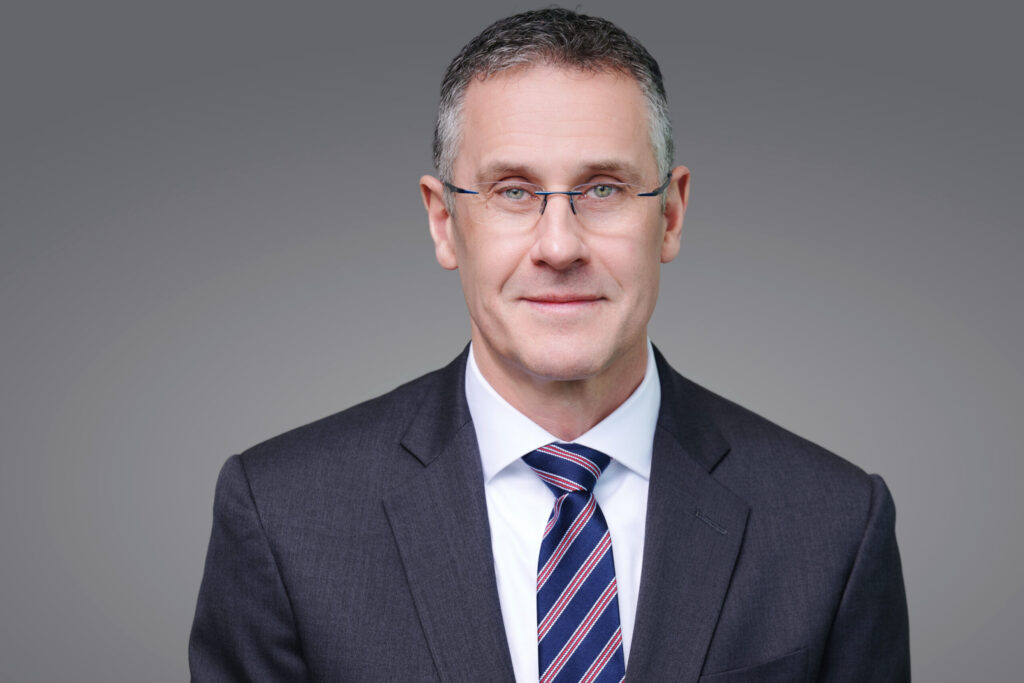
Sean E. Oehlbert

Vice President, Corporate Business Strategy
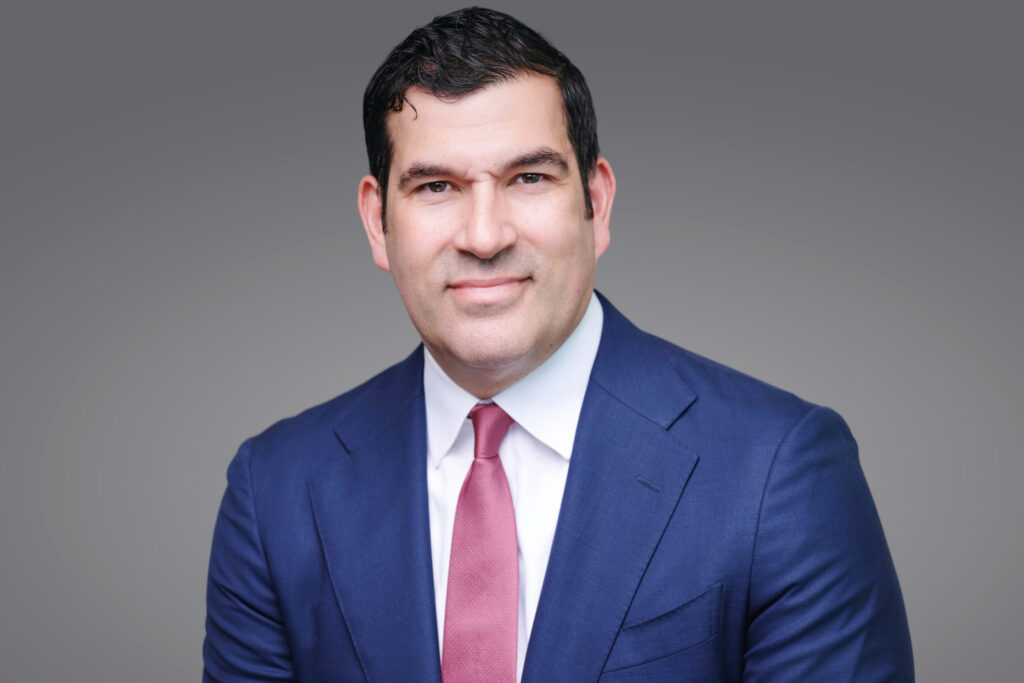
Nelson Perez

Vice President, Government Relations
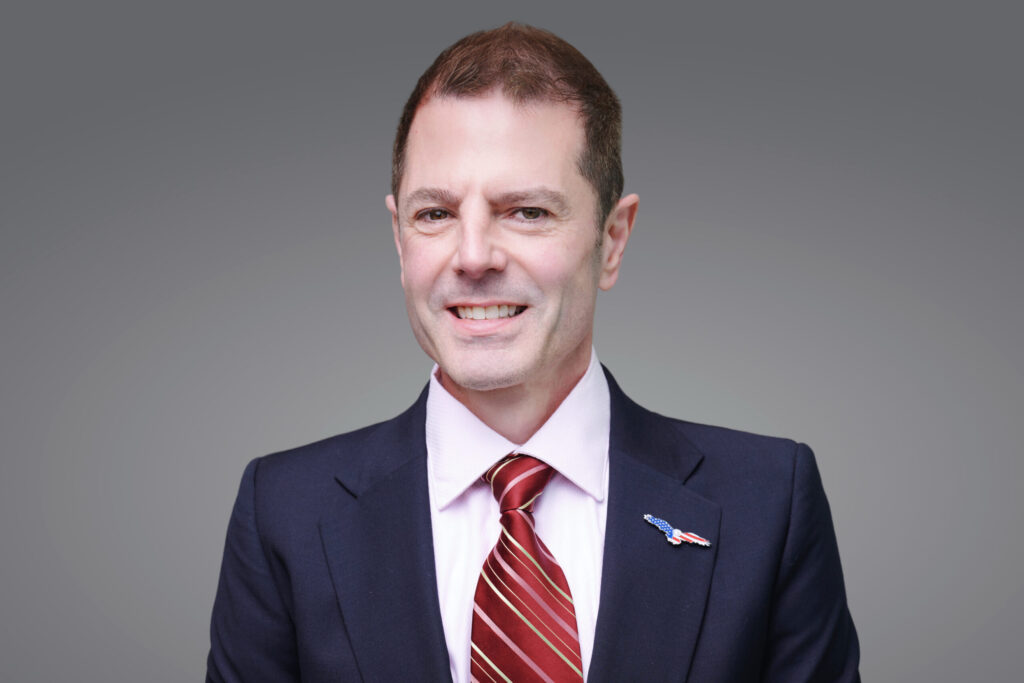
Keith Vavra

Vice President and Chief Human Resources Officer